

If you’ve seen trucking industry headlines or heard rumors about Stevens Transport’s future, you’re definitely not alone. There’s a lot of confusion out there—mostly driven by news a few years back about them shutting down one of their divisions. But let’s walk through what’s actually happened with Stevens Transport, and what’s happening now.
Who Is Stevens Transport?
Stevens Transport has been around for over 45 years, growing into one of America’s most recognized and successful refrigerated trucking companies. If you’ve ever seen a big rig hauling loads of ice cream or other groceries down the highway, there’s a fair chance you’ve spotted their logo on the trailer.
The core business for Stevens is hauling refrigerated freight, but over the decades, they’ve also expanded into general logistics and dedicated trucking services. Today, they’re described by themselves and the industry as “one of North America’s largest asset-based, temperature-controlled transportation and logistics providers.”
The short version: They’re not some little operation. We’re talking thousands of trucks and trailers, around 2,000 tractors and 4,000 trailers, and more than a billion dollars in annual revenue by some recent counts.
The 2019 Tanker Division Shutdown
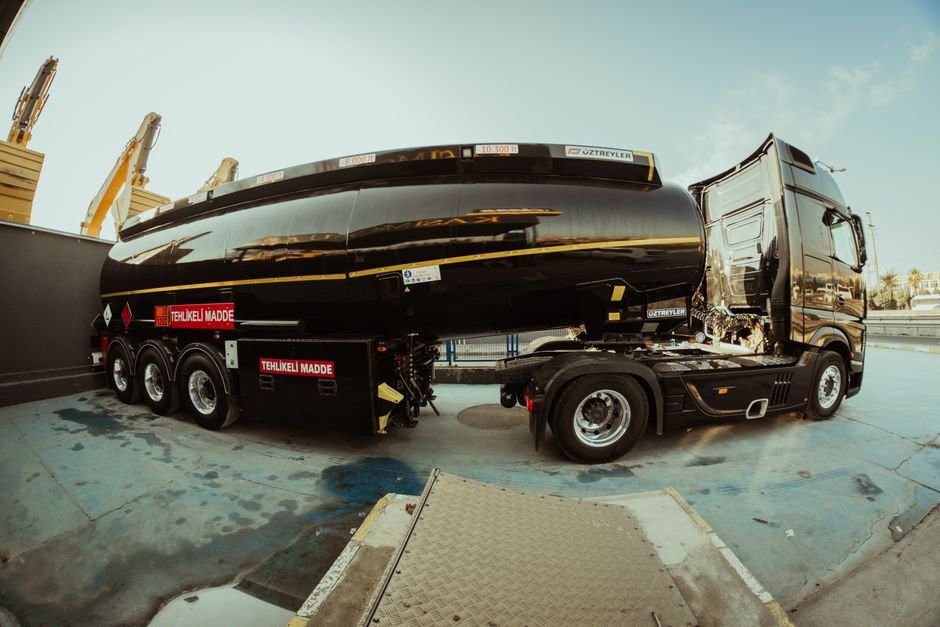
Now, here’s where some of the confusion started. In late 2019, Stevens Transport made headlines because they decided to close their entire tanker division. That was the part of the business that handled sand and water hauling for oilfield drilling operations.
At the time, this tanker side of things was actually a separate part of the company, focused on serving energy companies in Texas. But oil and gas can be a boom-bust business, and over the course of 2019, orders just dried up.
Industry reports from then pointed to a 65% reduction in sand orders and less demand for transporting production water, as more energy companies were switching to pipelines for moving water. It got so slow that Stevens couldn’t justify keeping that division running.
All told, shutting down the tanker side affected about 586 jobs—mostly drivers and support staff. That’s a lot of people. But it’s important to know this was just *one* segment of the larger company.
What Happened To The Tanker Employees?
Layoffs always sting. For the folks working in the tanker division, this was a rough moment. From public reports and statements made by Stevens at the time, they did offer many of the affected drivers new jobs in their refrigerated freight business.
Some drivers did transition over to pulling temperature-controlled trailers, while others moved on. But the company was upfront that the rest of Stevens Transport—the much larger freight and logistics operations—were going to continue running as usual.
Communications to employees and the public emphasized that only the tanker side was going away, and that the rest of the trucks would keep rolling.
The Rest Of Stevens Transport: Still Running Strong
The key takeaway here is that Stevens Transport as a whole didn’t close, just a division that was caught up in the oilfield slowdown. After the tanker shutdown, Stevens zeroed in on what they’re best known for: refrigerated trucking, supply chain logistics, and some dedicated fleet work.
It’s these cold-chain and logistics segments that have always been the real backbone of the company. If anything, they doubled down on this side of the business and kept investing in trucks, technology, and new routes.
If you’d checked their website or social media in the months after the tanker closing, you’d still see posts celebrating new trainees, featuring successful drivers, and highlighting fresh partnerships with food and retail brands.
Financial Health: Is Stevens In Trouble?
When a company announces big layoffs or divisional closures, people naturally start to wonder about bankruptcy or financial meltdown. But if you look at the financials and the way the company describes itself now, it’s a totally different picture.
Stevens Transport calls itself a “debt free, multimodal logistics conglomerate” with a “track record of consistent growth and success.” Their recent bios talk about more than $1 billion in annual revenue and having a “45-year legacy of innovation in supply chain.”
They operate a giant fleet that stretches across the U.S., Canada, and Mexico. Their core is still refrigerated food but now reaches everything from pharmaceuticals to plants. Their headquarters in Dallas, Texas, is still buzzing with activity, with people joining their driver training programs every week.
If you care about “hard” indicators, they’re continuing to buy new trucks and invest in higher-tech trailers. None of this screams “going out of business.” Quite the opposite—it shows they’re in it for the long haul.
Active Signs: Websites, Social Channels, and Recruitment
Let’s talk basics: the lights are very much *on* at Stevens Transport. You can check their website right now and see up-to-date info on services, career opportunities, and customer resources. They’re constantly updating those pages, which real companies in trouble rarely bother to do.
On social media, their posts are active, upbeat, and focused on the company’s future. You’ll see anniversary celebrations (they hit 45 years recently), shout-outs to drivers, and reminders to apply for jobs. They engage with driver communities and are visible at trucking events all over the country.
If anything, their recruitment push is proof they’re not slowing down. There are ongoing programs for company drivers, lease operators, and even owner-operators. External recruitment partners and job boards also show listings for Stevens. That’s something you don’t see from a company that’s circling the drain.
Asset Overview: Size And Reach
Part of what makes Stevens Transport so resilient is just how big and spread out their business has become. They’re not reliant on a single customer, region, or freight type to keep the doors open.
With over 2,000 tractors and 4,000 trailers on the road, they’re moving products all over North America. Their routes reach from the Midwest to the West Coast, and the Southern states up into Canada.
In recent years, the company has put more emphasis on logistics solutions and integrating more advanced supply chain management tools for their clients. They’re not the old-school, single-trick pony—they’ve got a diversified freight portfolio, which helps keep them steady even during up-and-down moments like the oilfield slump that hit their tanker division.
How Stevens Compares To Other Trucking Companies
If you look at other names in trucking, there’s been a lot of change industry-wide: carrier mergers, some shutdowns, and lots of folks fighting tight margins. But Stevens tracks with the set of companies that’s succeeded at adapting.
By focusing on cold-chain freight—and not just general dry goods—they’ve carved out a stable, high-demand niche. This is food, pharmaceutical, and other cargo that pretty much always needs to keep moving, even when parts of the economy slow down.
When other carriers have run into trouble, it’s usually because they were overexposed to a shaky market or didn’t diversify. Stevens clearly learned that lesson with the tanker experience. Now, most of their eggs are in baskets less likely to tip over.
Why The Rumors Won’t Go Away
Once you close a division and lay off hundreds, rumors can stick around for years. People who left will talk, headlines get shared, and little details can get lost.
And when drivers see news like this, especially if they’re thinking about applying, it’s natural to wonder if the entire company is on the verge of collapse. But if you actually dig past the first few news stories and check the company’s current operations, it’s clear: Stevens Transport is still in business, and by multiple measures, it’s growing.
You’ll even see them mentioned in profiles on trucking resources and business sites like IBizJournal, which spotlights high-revenue, sustainable private companies.
Looking Ahead: Company Resilience And Next Steps
Stevens Transport has weathered some storms, no doubt. The oilfield slowdown forced a tough—but pretty focused—decision. But the refrigerated freight and logistics divisions, which make up the “core” of Stevens Transport, haven’t missed a beat.
From everything we see publicly, and from how the industry talks about Stevens, they’re not shutting down. Not this year, not next year. In fact, it looks like they’re investing in the future and trying to expand.
If you’re a shipper, a driver, or just someone curious about how big trucking companies survive rough patches, the Stevens story is all about adaptation. They cut a division that wasn’t working, but they backed their core services hard.
Final Take: Stevens Isn’t Going Out Of Business
So, is Stevens Transport going out of business? The short answer is no. Their 2019 tanker division closure was a setback, sure, but the main company continues as one of North America’s top refrigerated carriers. They’ve got the size, the assets, and the financial stability that a strong modern freight business needs.
Big companies make tough calls sometimes, whether it’s shrinking to grow or picking a lane that works best for their skillset. Stevens is betting on what they do best—cold-chain trucking and logistics. For now, they remain an active force on the road.
That’s where things stand: Stevens Transport is rolling on, and the only trucks not running are the ones hauling oilfield sand. If you’re reading this because you’re considering a job with them, or you ship goods and count on consistent trucking, you can take some comfort. Stevens Transport isn’t going anywhere.
Read Also: